
A short history of Bryggen
Bergen was founded around 1070, traditionally by King Olav Kyrre. The year is approximate, not an exact founding date. Bryggen, the wharf on the harbour inlet of Vågen, became the centre of trade, and from around the middle of the 14th century it was the base of Hanseatic merchants.
The houses you see today are mostly the result of rebuilding after a fire in 1702. They are not unchanged medieval originals, but the narrow passages and long rows of houses keep the medieval plot structure. To follow the story on site, join one of the Bryggen walking tours or start in Bryggens Museum.
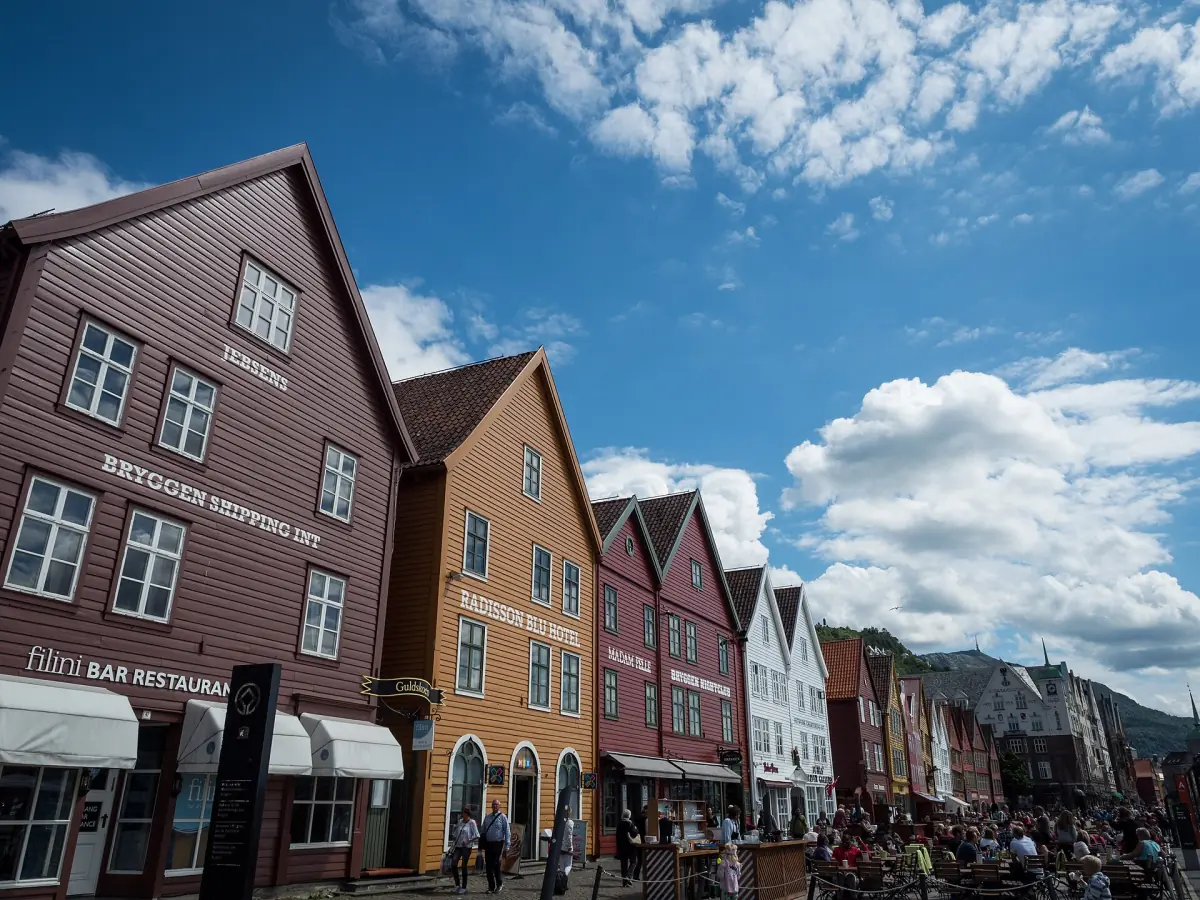
Bryggen timeline
The main dates, from the founding of the town to World Heritage status.
| Year | What happened |
|---|---|
| About 1070 | Bergen is founded, traditionally by King Olav Kyrre |
| 1350 to 1360 | The Hanseatic office is established on Bryggen |
| 1360 to 1754 | The Hanseatic period |
| 1702 | A fire; most of today's buildings date from the rebuilding that followed |
| 1754 to 1899 | Det Norske Kontor, the Norwegian Office, continues the trade until it is dissolved |
| 1944 | An exploding munitions ship in Vågen damages Bryggen |
| 1955 | A great fire; archaeological excavations begin |
| 1962 and 1963 | The Bryggen Foundation is founded and preservation is written into the city plan |
| 1976 | Bryggens Museum opens |
| 1979 | Bryggen is inscribed as a World Heritage site |
| 2000 | The national heritage authority takes over the restoration project |
Our pick: a walk through Bergen's history
A licensed guide takes you past Bryggen, Bergenhus and the old town, which is a quick way to get the history on foot.
Hand-picked tours, booked through GetYourGuide. Prices are indicative starting prices in euros (as of October 2026). Tap a tour for live availability and the current price in your currency.
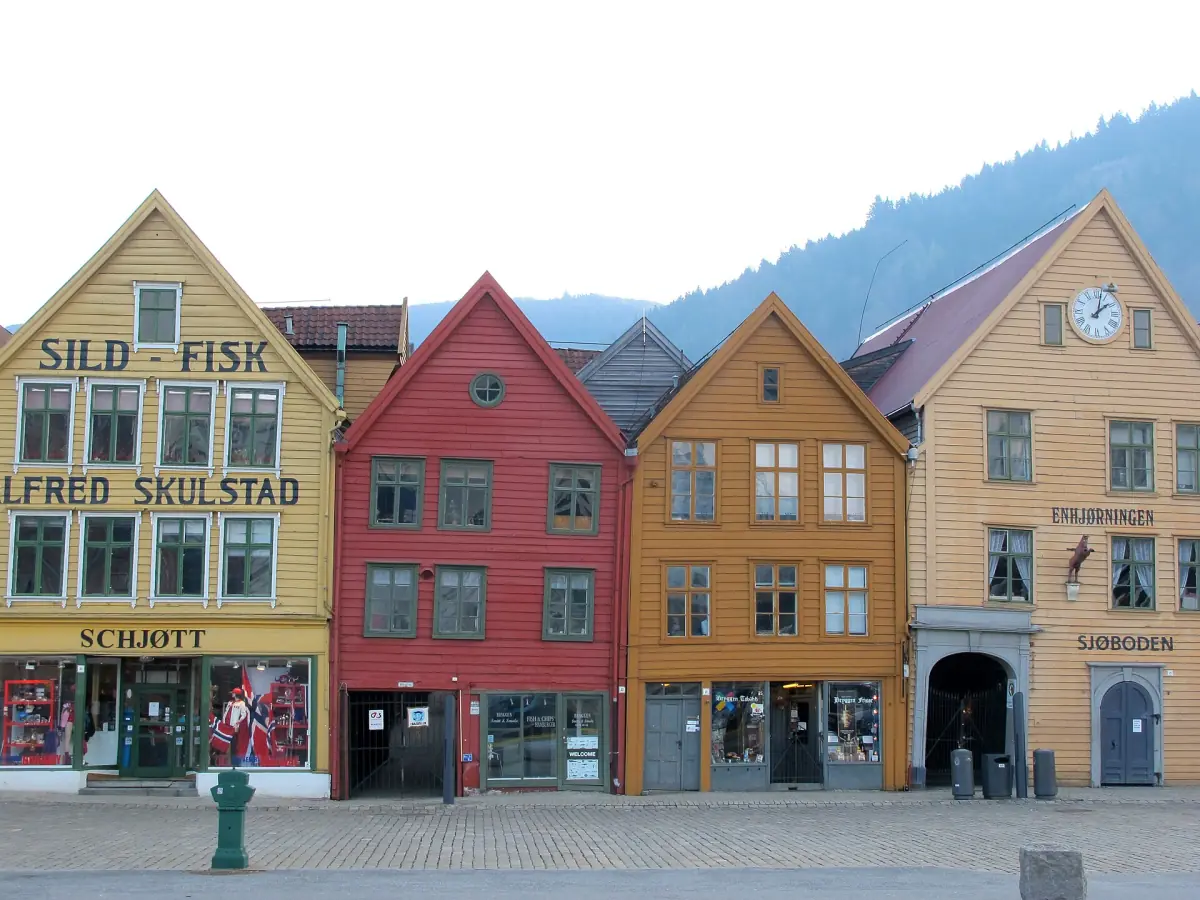
Bryggen walks with the history behind the gables
Guided walks through Bryggen and old Bergen, plus tickets that include Bryggens Museum, with live prices and availability. Check each description for what entry covers.
The Hanseatic League in Bergen
The Hanseatic office on Bryggen is dated to around 1350 or 1360, depending on how you count. The Hanseatic period lasted until 1754. The main business was dried fish exported from northern Norway and grain imported into the country. After 1754 the Norwegian Office took over, and it was dissolved in 1899. Trade on the wharf did not end when the German office did.
The Hanseatic story is easiest to follow at the Hanseatic Museum and Schøtstuene. Schøtstuene is the place to visit in 2026, while the house Finnegården is closed for renovation.
Fires, war and rebuilding
Fire and war have shaped Bryggen. The rebuilding after the fire of 1702 gave the wharf most of its present buildings. In 1944 an explosion on a munitions ship in Vågen damaged Bryggen. After the great fire of 1955, archaeologists began to dig, and the excavations went on for 13 years. Fire has stayed a risk in later decades, which is why Bryggen is a smoke-free area today.
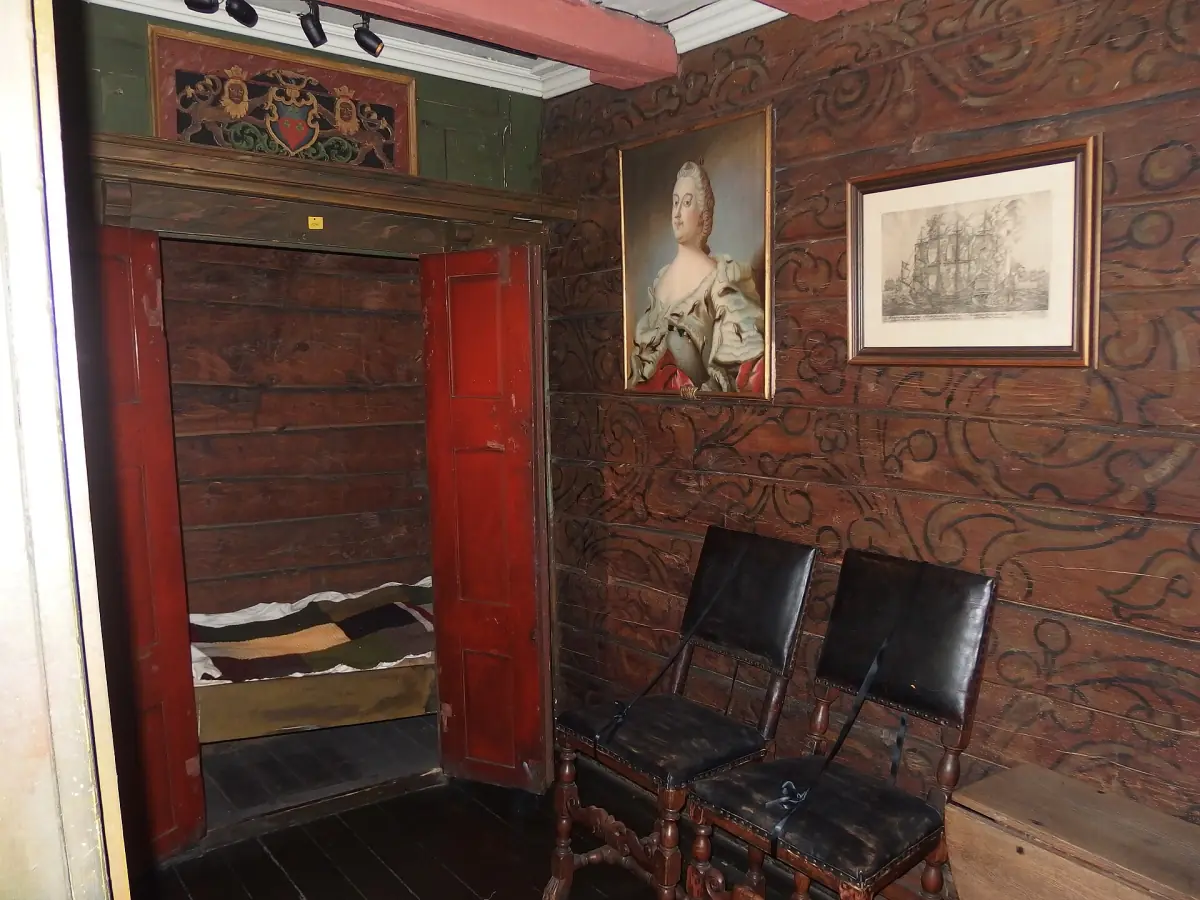
The excavations produced the finds that you can see at Bryggens Museum, which opened in 1976. Its main exhibition, Under Ground, shows what came out of the soil.
From excavation to World Heritage
The Bryggen Foundation was founded in 1962, and in 1963 the decision to preserve the wharf was written into the city plan. In 1979 Bryggen was inscribed as a World Heritage site under cultural criterion (iii). The restoration project was started by the foundation and taken over by the national heritage authority in 2000. Its aim is the structural repair of the buildings under conservation rules, and no fixed completion date applies.
Counts of the protected buildings run from 62 to 65, so treat the number as a range rather than an exact figure.
Visiting the quarter today
The area is meant to stay open to the public and is smoke-free. That means you can walk through the quarter, but not every passage or interior is open at all times, and the museums charge their own entry. Pair this page with the Bergenhus Fortress and the other sights around Bryggen.
Where to see the history in Bergen
Four places that put the story in front of you, with prices for 2026.
Bryggens Museum
The Under Ground exhibition shows finds from the excavations after the fire of 1955. The museum opened in 1976 and costs NOK 170 for adults.
Bryggens Museum →Schøtstuene
The Hanseatic assembly rooms are the place to visit in 2026. Entry with a guided tour of about 40 minutes costs NOK 160.
Hanseatic Museum →Haakon's Hall
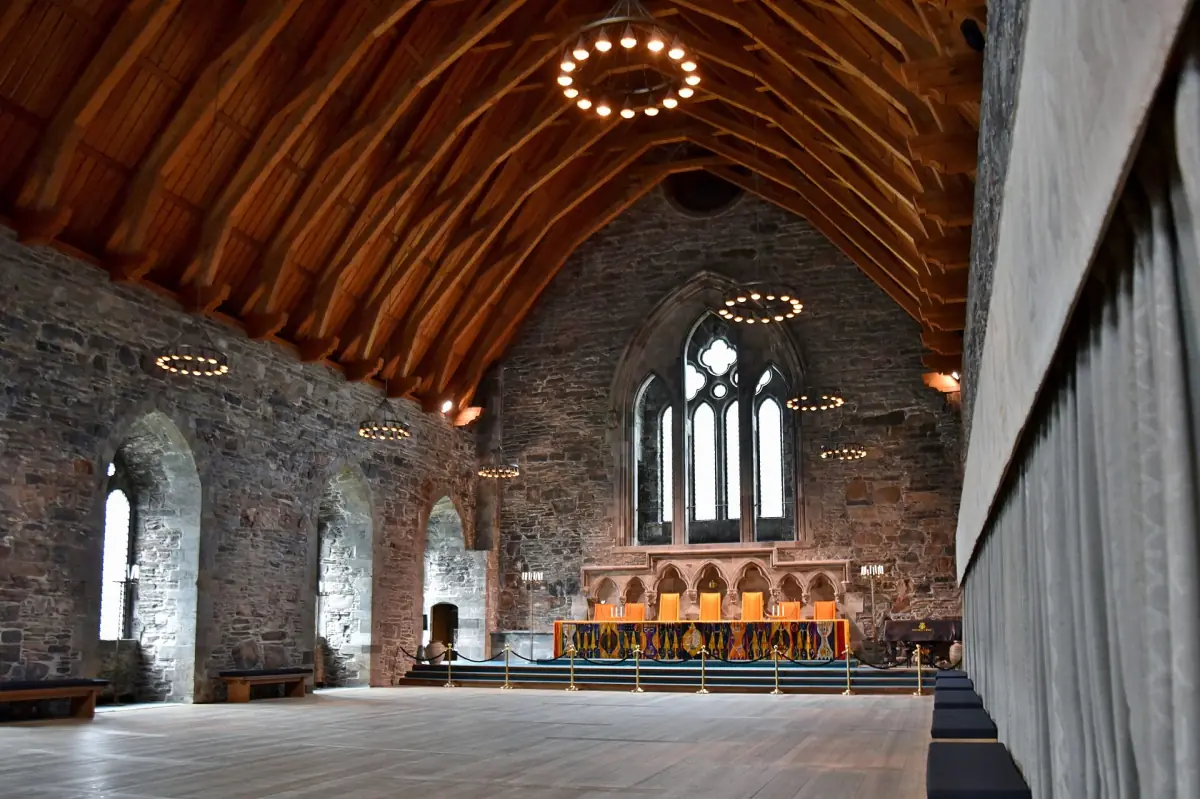
A royal ceremonial building from the 13th century on the fortress grounds. Entry costs NOK 120 for adults.
Bergenhus Fortress →The English guided walk
It lasts 90 minutes, starts at Bryggens Museum and includes Schøtstuene on the same day. Adults pay NOK 390.
Bryggen history: frequently asked questions
When did Bryggen become a World Heritage site?
In 1979, under cultural criterion (iii).
When was the Hanseatic League in Bergen?
The Hanseatic period on Bryggen is dated 1360 to 1754. The office itself is placed around 1350 or 1360, depending on how you count.
How many buildings does Bryggen have?
Between 62 and 65 protected buildings, depending on how they are counted.
Are the houses medieval?
Not as unchanged originals. Most of today's buildings date from the rebuilding after the fire of 1702, but the narrow passages and long rows keep the medieval plot structure.
What happened in 1955?
A great fire hit Bryggen, and archaeological excavations began afterwards. They went on for 13 years and led to the creation of Bryggens Museum.
Is it free to walk around Bryggen?
The area is public and smoke-free, so you can walk through the quarter. The museums charge their own entry, and not every passage or interior is open at all times.